
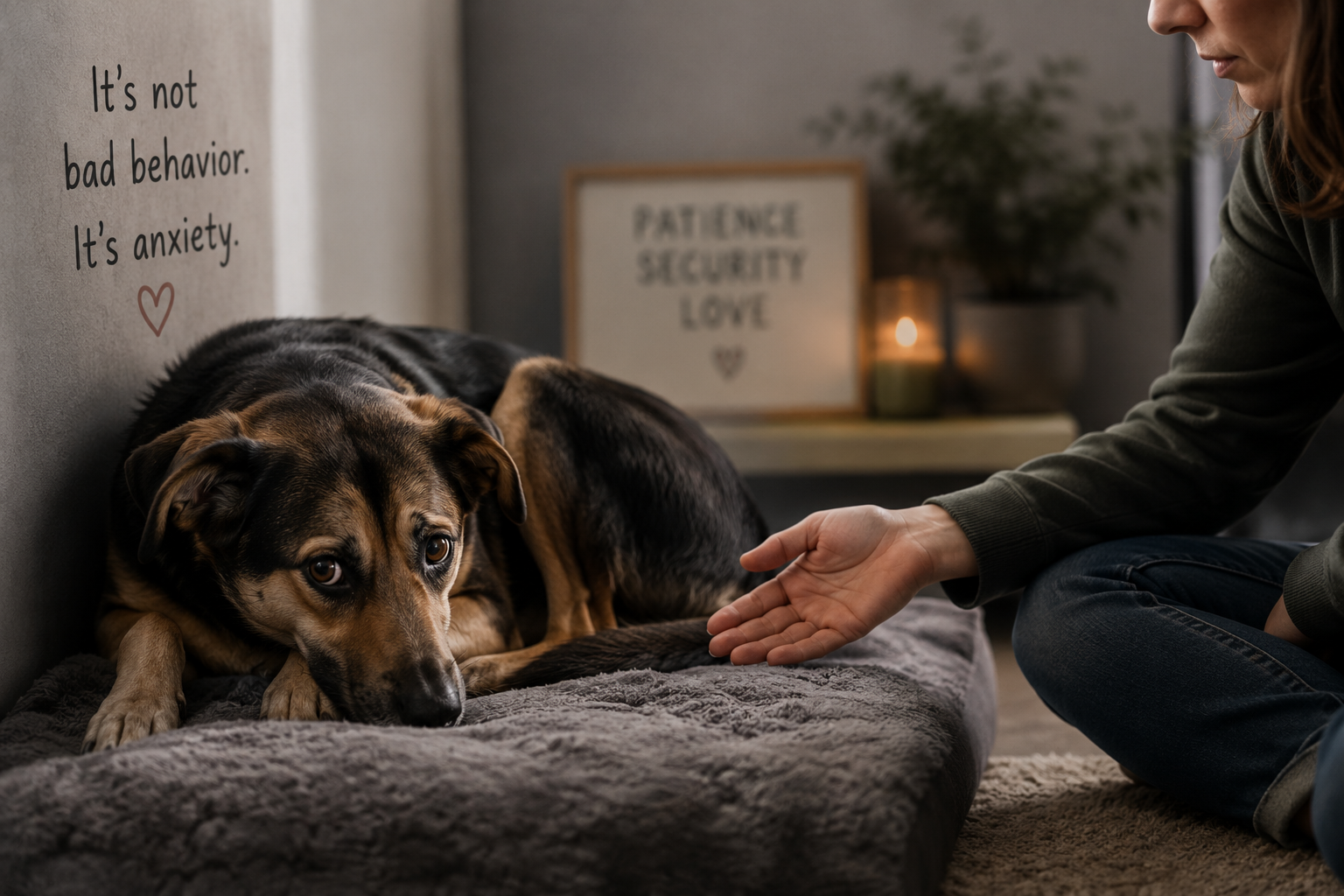
Anxiety in rescue dogs?
The transition from a life of instability to a “forever home” is a profound journey, but for many rescue dogs, the baggage of the past is not easily unpacked. While adoption is a celebrated act of compassion, it often marks the beginning of a complex psychological recovery process. Anxiety in rescue dogs is not merely “bad behavior”; it is a physiological and emotional response to past trauma, lack of socialization, or the sheer upheaval of being moved through the shelter system. Understanding the nuances of this anxiety is essential for any adopter hoping to build a bond of trust with a canine survivor.
The roots of rescue dog anxiety are as varied as the dogs themselves. Some have experienced overt abuse or neglect, leading to a generalized fear of humans or specific triggers, such as raised voices or sudden movements. Others suffer from “kennel syndrome,” a byproduct of long-term confinement where the sensory deprivation and constant noise of a shelter environment leave the dog in a state of chronic hyper-vigilance. Even dogs from loving homes who were surrendered due to a move or a death in the family experience a profound sense of grief and confusion. For these animals, the world has proven to be a place where safety is temporary, leading to a persistent state of “fight or flight.”
One of the most common manifestations of this anxiety is separation anxiety. Having been abandoned at least once, the rescue dog may view their new owner’s departure—even just for a trip to the grocery store—as a permanent desertion. This can result in destructive behaviors, such as chewing door frames or scratching at windows, as the dog desperately tries to reunite with their person. It is often accompanied by vocalization, inappropriate urination, and self-mutilation. To the uninformed owner, this looks like spite; to the dog, it is a full-blown panic attack.
Another frequent symptom is fear-based reactivity. When a rescue dog barks, lunges, or growls at strangers or other dogs during walks, it is rarely an act of unprovoked aggression. Instead, it is often a defensive mechanism. The dog, feeling vulnerable and anxious in an unfamiliar environment, attempts to “scare away” the perceived threat before it can get too close. This hyper-reactivity is a sign that the dog’s “stress bucket” is overflowing, and they lack the coping mechanisms to process new stimuli.
The path to healing an anxious rescue dog requires a shift in perspective: moving from a mindset of training to a mindset of rehabilitation. The most critical tool in this process is predictability. Anxiety thrives on the unknown, so establishing a rigid routine for feeding, walking, and sleeping helps the dog understand that their needs will be met consistently. This builds a foundation of “environmental security.” Furthermore, adopters must embrace the “Rule of Three”: three days to decompress, three weeks to learn the routine, and three months to feel truly at home and show their true personality.
Managing this anxiety also involves positive reinforcement and, in some cases, professional intervention. Desensitization and counter-conditioning—processes where a dog is slowly exposed to a trigger at a low intensity and rewarded—can help rewire the brain’s fear response. For dogs with severe chemical imbalances due to prolonged stress, veterinarian-prescribed anti-anxiety medication can provide the “mental floor” necessary for training to actually take root.
In conclusion, a rescue dog’s anxiety is a testament to their resilience, not a permanent flaw. It is a language of distress that requires patience, empathy, and time to translate. While the road to recovery can be long and occasionally frustrating, the reward is a unique depth of loyalty. When an anxious dog finally decides to rest their head on their owner’s lap, it is more than just a gesture of affection; it is a hard-won victory over a traumatic past and a profound act of courage.


 Available 7 days a week
 256-bit encrypted